


The Role Of Content Marketing In Advanced Strategies
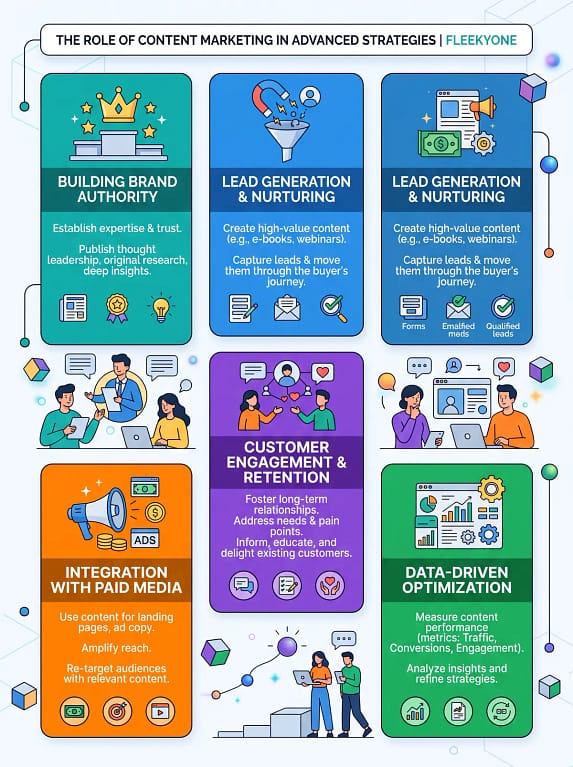
Content marketing has become a core part of how brands reach customers today. From blog posts to videos, brands use valuable content to build trust, bring in traffic, and encourage loyalty. If you are considering how advanced strategies can help your brand grow, it’s important to understand where content marketing fits in and how to use it effectively.
Many businesses post articles and updates but find their efforts don’t lead to more leads or sales. Often, the missing link is a plan that ties content to business goals and uses more advanced marketing techniques. Having worked with different brands, I’ve seen how a clear and thoughtful approach to content can really make a difference by bringing in new visitors, nurturing leads, and supporting the full customer adventure.
This guide covers how content marketing works as part of an advanced strategy. I’ll share tips for getting started, common mistakes to avoid, and how you can make the most of your content efforts even if you’re just beginning.
The Foundation? What Is Content Marketing?
Content marketing is a type of digital marketing focused on creating and sharing useful, relevant information to attract and keep an audience. This could mean writing blog articles, producing videos, or sharing how-to guides. Instead of pushing products directly, content marketing provides answers, entertainment, or insights that people actually want.
For example, if you run a fitness brand, sharing workout guides or healthy recipes makes your site more helpful. Visitors come back for more advice and may eventually buy your products or sign up for your newsletter.
Why Content Marketing Matters in Advanced Strategies
- It helps your brand show up on search engines like Google.
- Valuable content keeps website visitors on your page for longer.
- It opens opportunities to educate, build trust, and encourage action.
Once you have the basics down, it’s time to look at bigger strategies that bring more results.
Set Clear Goals for Your Content Marketing Efforts
If you want to use content effectively, start by knowing what you want to achieve. This shapes what you publish, how you promote it, and what results you track. Just publishing for the sake of it won’t help you move closer to your business goals.
Questions to Guide Your Goal Setting:
- Am I aiming for more website traffic? More newsletter sign-ups? Higher sales?
- Who exactly am I trying to reach?
- What struggle or question am I helping my audience solve?
Examples of Advanced Content Goals:
- Rank in the top three Google search results for a list of key topics.
- Build an email list by offering downloadable guides.
- Use detailed reviews and tutorials to help customers make informed decisions.
I’ve found that writing these down and discussing them with your team really helps focus content efforts and leads to better results. Checking in on your progress every few months can keep your plans on track and help you spot what needs to be changed.
Create Content That Matches the Customer Adventure
People don’t always buy right away. They move through stages from first hearing about your brand, to researching, to finally making a purchase. Advanced content strategies speak to people at every step, making sure your brand feels relevant and helpful throughout.
Stages of a Customer Adventure:
- Awareness: Someone learns about your brand for the first time. Blog articles or social posts work well here.
- Consideration: They want to see how your product solves a problem. Comparison guides or demo videos are helpful.
- Decision: They’re close to buying. Customer stories, FAQs, or how-to setup guides help with final decisions.
I’ve found that mapping out your customer adventure and creating content for each stage makes sure you’re always relevant. It also helps turn more visitors into customers over time. Sometimes, using surveys or asking for feedback can help you figure out if your content is truly meeting their needs at every step.
Make the Most of SEO and Analytics to Optimize Results
Search engine optimization (SEO) helps your content show up in Google and other search engines. Using the right keywords, structuring your posts for readability, and linking to trusted sources all help your content reach more people. Analytics tools, like Google Analytics, show you what’s working and what needs improvement. You can also set up goals in analytics to track specific actions that matter to your business, such as form submissions or downloads.
Key SEO Tips for Content Marketing:
- Research keywords your audience searches for before creating new content.
- Use clear headlines (H1, H2) and short paragraphs. This helps with readability on both desktop and mobile devices.
- Link to related articles or useful resources so readers can learn more. This encourages engagement and can help with SEO rankings.
I always check analytics reports to see which posts get the most visits, which pages keep people engaged, and which lead to sales. This information helps adjust strategy, so I spend time on what works best. Over time, you’ll be able to spot seasonal trends and audience preferences more clearly.
Mix in Some Variety with Content Formats and Channels
People learn in different ways. Some love to read, while others enjoy videos or infographics. Advanced content marketing involves publishing in different formats and sharing across various channels to reach more people. Experimenting with new types of content can also keep your brand feeling fresh and exciting for your audience.
Content Formats Worth Trying:
- Blog articles for indepth advice or how-tos
- Short videos or reels for social media
- Infographics for quick summaries or statistics
- Podcasts for interviews or indepth discussions
Channels to Share Content:
- Your company blog or website
- Email newsletters
- Social platforms like LinkedIn or Instagram
- Video platforms like YouTube
I’ve seen that repeating the same message across several formats helps it reach different groups and increases your brand’s chances of being noticed. Guest posting and appearing on industry podcasts can also help your brand tap into new audiences who might not have found you otherwise.
Step Up Impact with Personalization and Automation
Advanced content marketers use data to send messages that feel more personal. For example, segmenting email lists by interest means the right person sees the right message. Automation tools can send followup emails or suggest new articles based on what someone has read or interacted with previously. This way, your marketing feels more tailored and less generic, which strengthens your connection to your audience.
Ways to Personalize Content:
- Send targeted emails based on website behavior or past purchases.
- Show related content suggestions after someone finishes a blog post.
- Use tools to automate routine replies or booking messages, saving you time and making sure no one slips through the cracks.
In my experience, even small touches like addressing someone by name, or suggesting a topic they read before, can increase engagement and turn occasional visitors into loyal followers. Keeping your messaging customized helps your audience feel valued and appreciated.
Measure Success and Adjust Quickly
Tracking results means you know what’s paying off. Look at website visits, time spent on articles, clicks, downloads, and especially leads or sales. Advanced strategies use this data to adjust quickly and keep improving.
Key Metrics to Follow:
- Organic search traffic (how many people find you via Google)
- Conversion rate (how many readers take desired actions, like downloads or purchases)
- Bounce rate (if visitors leave quickly, your content might not meet their needs)
Tools for Tracking:
- Google Analytics for website visits, sources, and behavior
- Email marketing dashboards for open and click rates
- Social media analytics for likes, shares, and comments
I make sure to review results monthly. If a certain type of content gets more attention, I’ll produce more like it. If a post doesn’t do well, tweaking the headline or updating with new info often helps. You can also conduct A/B testing to see which messages or formats perform better with your specific audience.
Common Challenges and Smart Solutions
What if I run out of ideas for content?
- Ask your customers what questions they have.
- Check what competitors are writing about, but add your unique insights.
- Update old articles with fresh data or tips.
- Keep an idea bank where you jot down inspiration as it comes, making content planning less stressful.
How do I balance quality and quantity?
Publishing consistently is really important, but never sacrifice helpfulness for volume. I focus on a schedule I know I can keep, such as one or two strong articles a week, rather than daily updates that don’t add value. It’s better to create a few standout pieces that your audience loves rather than a lot of forgettable posts.
What if my content doesn’t get traffic?
- Promote on social media and in email newsletters.
- Use keyword tools to refine topics and improve search rankings.
- Reach out to industry partners for guest posts or collaborations.
- Try repurposing your best content into another format, like turning a blog post into a video or infographic to attract new eyes.
Action Steps for Stronger Content Marketing
Advanced content marketing mixes creativity with data and planning. Start by setting clear goals and knowing your audience inside and out. Create content that meets people’s needs at every stage of their adventure, try new formats, and use SEO to reach more eyes. Personalize messages to make people feel noticed, and review results often to keep improving. Over time, this approach brings higher returns and builds a lasting relationship with your audience. Remember, the content landscape can change quickly, so be open to new platforms and ways to connect.
Quick Checklist:
- Write down your main business goals and connect them to your content plan.
- Plan posts for every step of the customer adventure.
- Test different content formats and measure what works.
- Use tools for automation and personalization, even for small tasks.
- Review analytics monthly and adjust your content accordingly.
What’s one content format or channel you want to try next for your business? I’d love to hear about your plans or any questions in the comments below. Remember, the key to success is steady learning and being willing to experiment. Good luck as you step up your content marketing efforts and build stronger connections with your audience!
Ready to turn your passion into profit?
Join the Wealthy Affiliate Bootcamp and learn step-by-step how to promote WA (and apply the same strategies to any niche).
👉 Build skills.
👉 Grow traffic.
👉 Create success on your terms.
Your journey starts here. Why not today? ✨
Related Posts

Ai And Affiliate Marketing For Content Creators

Seo and Ai For Content Creators

How To Use Social Media For Content Promotion

How Content Creators Are Using AI Music For Viral Videos

Build A Team For Your Affiliate Business

How To Choose A Niche For Affiliate Marketing

How To Scale Your Affiliate Marketing Business

What Is Affiliate Marketing

Affiliate Marketing Strategies

