
How To Leverage AI In Affiliate Marketing
AI is making big waves in all sorts of industries, and affiliate marketing isn’t left behind. Right now, I’ve seen more marketers, beginners and veterans alike, turning to AI to give a boost to their earnings, cut down on busywork, and nail those audience-winning strategies. If you’ve been thinking about using AI in affiliate marketing, there are loads of opportunities to make your workflow smoother and your results better. I’ll go through everything you need to know to start making the most of AI, whether you’re just starting out or you have some experience under your belt.
Why AI Matters in Affiliate Marketing
Affiliate marketing has changed a lot with technology, but nothing’s moving the needle quite like AI these days. It goes beyond saving time; you get smarter insights, better recommendations, and more ways to stand out in a crowded field. AI tools can handle repetitive work, analyze huge chunks of data, and even help you find the most profitable affiliate offers to promote.
In the last few years, platforms packed with AI have popped up everywhere. Some industry reports put the global AI in marketing market at more than $35 billion already. Affiliate marketers are grabbing pieces of that growth with tools for content creation, campaign analytics, and ad optimization. If you feel a bit overwhelmed with all the new technologies out there, you’re not alone. Every week seems to bring a new AI tool or update, each promising to make things easier or more effective.
Many affiliate marketers used to rely on trial and error or just their gut instincts. These days, AI helps with everything from targeting the right audience to predicting what kind of content will convert best. It’s opened up new ways for beginners to make smarter decisions faster and for established marketers to scale their efforts.
AI support isn’t just for big companies. Even small blogs, solo entrepreneurs, and new creators are now plugging in AI-driven tools to compete with larger teams. Whether it’s running split tests in real time or generating dozens of content ideas with a click, these advances let anyone amplify their efforts and move quicker when trends catch fire.
Get Started with AI in Affiliate Marketing
Jumping into AI doesn’t mean you need a computer science degree or endless hours for technical training. Most of the best AIpowered affiliate marketing tools are set up for nonexperts. Still, knowing some basics makes it way easier to get moving. Here’s a quick rundown of terms you’ll see a lot:
- Machine Learning (ML): The tech behind AI that finds patterns in data, teaches itself, and gets better as you feed it more information.
- Natural Language Processing (NLP): Lets AI tools understand, create, or summarize written content. Super useful for content creation and chatbots.
- Automated Campaigns: Tools that handle audience segmentation, timing, and messaging all by themselves, sometimes in real time.
Starting out, you might want to use AI for basic tasks, like coming up with blog post ideas, finding trending products, or automatically sorting leads. As you get more comfortable, you can bring in AI for more advanced stuff, like realtime campaign optimization or predictive analytics. Taking it one step at a time helps minimize overwhelm while you pick up new skills.
It’s also handy to plug into online communities or support groups, where you can swap stories, ask questions, and keep up with how others are using these tools creatively. Countless forums and social media groups focus on AI for marketers, offering advice, updates, and case studies regularly.
Action Steps to Supercharge Your Affiliate Marketing with AI
Not every tool is right for everyone, so picking the best ones for your level and goals goes a long way. Here’s how I typically recommend stepping into AI tools if you’re new or looking to do more:
- Pick an AI Content Generator: Start with tools like Jasper or Copy.ai to create product reviews, ads, and even social media posts. You get quick, high-quality drafts that you can tweak to fit your style.
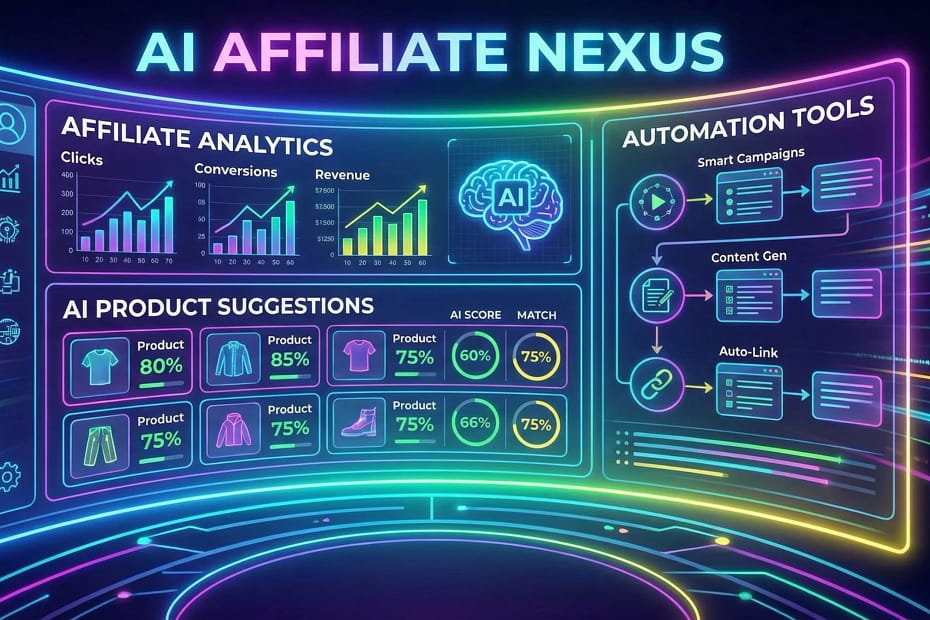
- Use Smart Analytics Platforms: Tools like Google Analytics with AIpowered insights or Piwik Pro will help you spot trends, track clicks, and see which offers are actually converting without digging through spreadsheets.
- Optimize Email Campaigns: Email platforms that use AI, like Mailchimp, can predict the best times to send, which subject lines get opens, and segment your audiences for better results.
- Test Automated Ad Managers: If you’re running paid campaigns, try platforms like AdEspresso or Facebook’s built-in AI tools. They automatically adjust bids, audiences, and creatives based on what’s working.
- Jump into AI-Powered SEO: Surfer SEO and Clearscope use AI to audit your website or content and give you super practical SEO recommendations to boost traffic.
Sticking with a few reliable tools at first is way more effective, and less overwhelming, than trying to use everything at once. It’s better to become confident with a handful of core tools, then gradually mix in some variety as your needs and comfort level grow.
Smart Tips and Things to Watch Out For
Using AI doesn’t mean you can just sit back and let it handle everything. I’ve picked up some practical lessons (sometimes the hard way) that make things way smoother:
- Keep an Eye on Quality: AI speeds up a ton of tasks, but sometimes the content or recommendations aren’t quite right. Always double check for accuracy and style so it sounds like you, not a robot.
- Understand the Data: The more good data you feed into AI tools, your click reports, sales numbers, email open rates—the more spot-on and helpful their recommendations become.
- Don’t Forget Compliance: AI tools sometimes skip the fine print, so you still need to follow rules for affiliate disclosures, privacy laws, and data use.
- Test and Tweak: Even the best AI system needs a human touch. Monitor results, run A/B tests, and make your own judgment calls on what feels right for your brand and audience.
AI Content Tools
AIwritten content is surprisingly good, but sometimes it misses nuance, humor, or those personal touches audiences trust. What I often do is use AI to speed up the research and first draft, then add my own insights, examples, or stories. This way you keep a unique voice and build more trust with your readers. Mixing your experience with the efficiency of AI is a winning combo that sets your content apart and keeps it relatable.
Automation Tools
Automating repetitive stuff like scheduling posts or following up with leads saves a lot of time. Some tools let you map out entire workflows, like sending a promo email whenever a new product is added, or alerting you to trending keywords. The warning here: double check that all automations are working as expected so nothing looks spammy. Automation should always feel natural and not annoy your subscribers or visitors.
Predictive Analytics
This part uses AI to forecast what might perform well before you even put the work in. For instance, you’ll find tools that look at your current audience and suggest affiliate offers or content ideas likely to be big hits. I’ve found this helps avoid wasting time on dud offers and lets you focus your efforts where they’re likely to pay off. Predictive analytics adds another layer to your strategy, helping you make proactive decisions instead of just reacting to what’s already happened.
Choose the Right AI Tools for Affiliate Marketing
There are so many AI platforms made for affiliate marketers it can feel a bit wild west at times. Some are eye catching and new, others have been around longer and built up solid reputations. I recommend considering a few key points when you’re picking what to use:
- Compatibility: Make sure the tool works with your existing site or marketing stack. No one likes wrestling with endless integrations.
- Support: Check that there’s good documentation or customer support, so you don’t get stuck.
- Pricing: Many tools have free plans or trials, so it’s worth testing before you spend money.
- Reviews and Case Studies: See what other affiliate marketers are saying; realworld feedback helps cut through the hype.
A few AI tools to check out if you’re curious: Jasper (content), SEMrush or Surfer SEO (SEO), Copy.ai (ads), Mailchimp (email automation), and AdEspresso (ads management). The right tool can really make things easier if it fits your current workflow and needs.
Don’t forget that trying these out yourself will give you the best feel for what’s straightforward and what requires a steeper learning curve. Not every shiny feature is necessary to your business, and it’s smart to focus on the tools that really move the needle for you.
Examples of AI in Affiliate Marketing
I’ve seen people use AI in some pretty creative ways:
- Finding Untapped Affiliate Offers: AIdriven networks like Affise or Cake can recommend products based on current trends and your audience’s behavior. It’s way faster than manual research and helps you stay ahead of competitors looking for the next winning offer.
- Chatbots for 24/7 Conversion: Many affiliate marketers set up AI chatbots on landing pages to answer questions, recommend products, and even collect emails while they sleep.
- Personalized Content Experiences: AI tools can help show visitors tailored product recommendations, turning more of your traffic into actual sales. Audiences expect experiences that feel unique, and AI supports this at scale.
These examples show you don’t need to overhaul your business overnight; just automating one or two tasks or personalizing parts of your site with AI can have a real impact. Even minor tweaks powered by AI can give your results a serious boost. As you try new strategies, stick with what’s working and keep an eye out for opportunities to improve touchpoints across your entire funnel.
Affiliate Marketing and AI? Common Questions
New and even experienced marketers usually have a few burning questions. Here are some I run into often:
Question: Can AI choose the best affiliate offers for me?
Answer: AI can analyze your data and trends to suggest highpotential products, but it’s always good to double check offers yourself for relevance and demand. Your unique insight and audience knowledge still matter.
Question: Is AI-generated content good for search rankings?
Answer: Many SEO tools powered by AI are great for optimizing content, but Google still values originality and real expertise. Make sure to add your insights and personality.
Question: Is it expensive to use AI in affiliate marketing?
Answer: Not really. There are plenty of affordable or even free AI tools to get started. Invest more as you see results. Many platforms have payment plans that scale as your business does, so you don’t need to break the bank early on.
Wrapping Up? AI and Affiliate Marketing
Using AI in affiliate marketing is less about turning things totally over to machines and more about freeing up time, making smarter decisions, and creating a better experience for your audience. Starting small with just a couple of AIpowered tools can improve your efficiency and results, adding layers of personalization and automation you just can’t get by hand. As you get more comfortable, the range of what you can do only expands. Staying curious and keeping an eye on new trends helps you stay ahead in a space that’s always changing. So if you’ve been curious about AI, now’s a perfect time to see how it fits into your affiliate marketing toolkit.
Step out, test things for yourself, and enjoy the process of learning as you go. Each new tool can bring something fresh to your adventure in affiliate marketing. The future looks bright for those who jump in now and use AI to take their business up a notch.