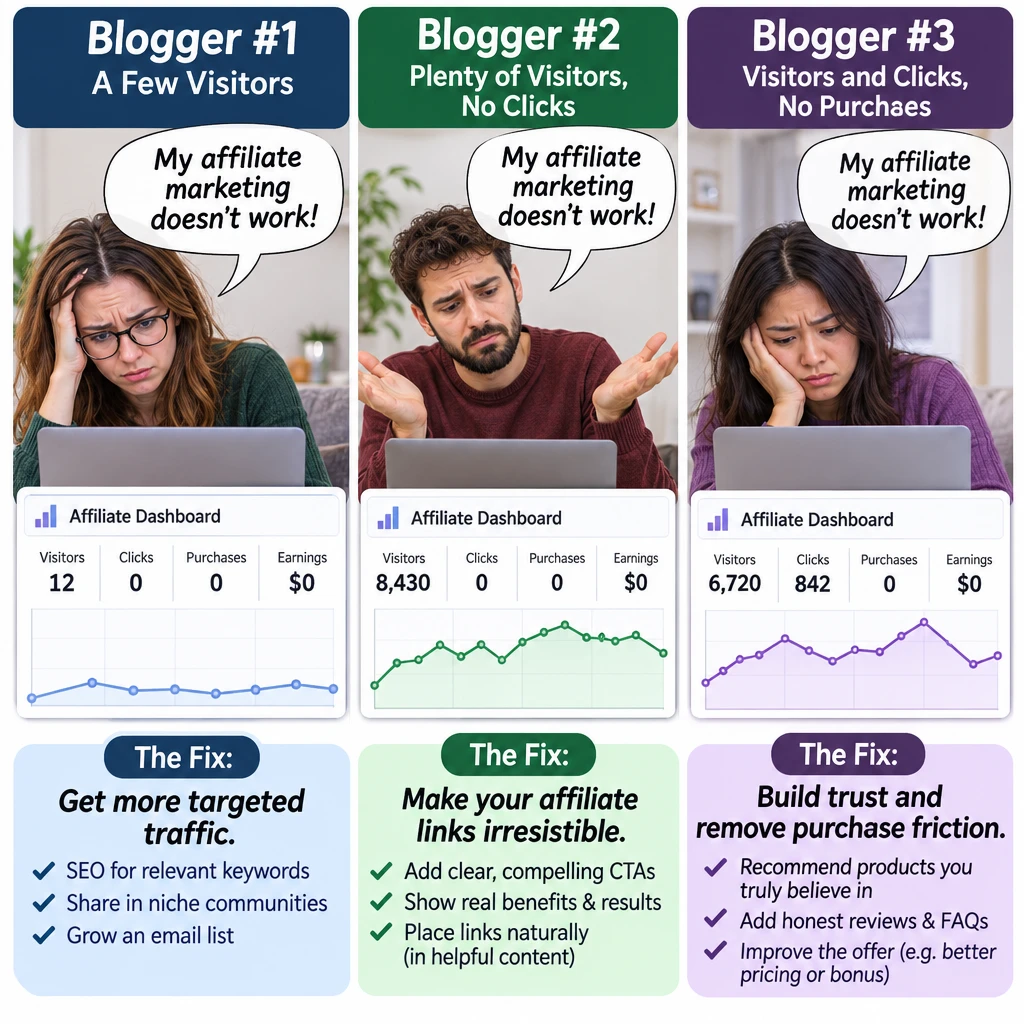

Link Building Steps For Beginners
Link building can feel overwhelming when you are just starting out. It is one of the key ways to boost your website’s credibility and search rankings. Many beginners feel uncertain about where to start or how to avoid common pitfalls. In this guide, I share some friendly strategies that can help you lay a strong foundation for your link building efforts. By following these methods, you can gradually build your online presence and create a network of reliable connections.
The techniques here are designed to be simple yet effective. Following these steps will help you create connections that benefit your site and extend your reach over time. Every step is explained in detail so you can understand why it works and how you can implement it from day one. Additionally, we provide extra insights and examples to give you a sense of how each method can be tailored to your specific goals.
Step 1. Define Your Link Building Objectives
Before jumping into any tactics, it’s important to know what you want to achieve. Not every website is the same, and your goals might differ from someone else’s. Laying out clear objectives not only guides your strategy but also helps you measure progress. Spend some time mapping out both short-term and long-term visions, as this clarity can save you from making hasty decisions later on.
Questions to Ask Yourself:
- What are the main topics of my website?
- Do I want to focus on regional or global outreach?
- How many quality links would boost my site’s ranking?
- What sort of websites align with my industry?
Example Objectives:
- Increase website traffic through reputable backlinks.
- Improve search rankings for target keywords.
- Boost online authority and credibility.
- Drive referral traffic from niche-related sources.
Having clear targeting will help you decide which strategies make the most sense going forward. When you know your objectives, every approach you try can be measured against these goals. Taking a few moments to write down your targets can also serve as a motivator and a reference point for future improvements.
Step 2. Research Your Niche and Competitors
Many beginners skip over the research stage, but this step is fundamental. Understanding your niche and what your competitors are doing gives you an idea of what works and what doesn’t in your industry. It is worthwhile to dig into not only your closest competitors but also adjacent markets that may reveal untapped opportunities.
How to Get Started with Your Research:
- Identify leading websites and blogs in your niche. Make a list of potential targets.
- Analyze competitor backlinks to see where they are getting attention from.
- Look at forums, resource pages, and social media channels to find out what topics are trending.
- Use free or low-cost SEO tools to track where competitor links are coming from.
This research helps you spot link-building opportunities. It may reveal overlooked sites that are interested in your topics or show rising trends that could guide your content creation. To add more depth to your research, consider reaching out to industry experts and joining relevant online communities. Engaging directly with people in your niche can uncover insider tips and emerging strategies that aren’t widely discussed online.
Additionally, invest time in comparing the backlink profiles of top competitors. Often, you will find commonalities among the sites they feature on. These commonly linked sites might be excellent targets for your own outreach. Over time, thorough research will pay dividends in the form of smarter strategies and more refined content creation.
Step 3. Start With Core Link Building Techniques
When you are beginning, it’s best to focus on a few tried and tested tactics rather than trying every method you come across. These basic methods have proven effective for many newcomers, allowing you to build a sturdy foundation without feeling overwhelmed. Establishing a strong base early on can pave the way for more advanced strategies later.
Popular Techniques to Try:
- Guest Posting: Writing for other blogs is a great way to reach a new audience while earning a valuable backlink.
- Broken Link Building: Find broken links on reputable sites and suggest your own content as a replacement. This creates a win-win situation, ensuring outdated links are refreshed with useful information.
- Resource Page Link Building: Identify resource pages in your niche and ask for inclusion. Such pages typically link to tips, guides, and tools that your audience may find beneficial.
- Skyscraper Technique: Create super detailed content that improves on existing top content. This method focuses on producing an all-in-one resource that naturally attracts backlinks from those in search of high-quality information.
These strategies require effort and outreach, but they provide a solid start. Focus on building a few quality links rather than a high volume of low-quality ones. Experiment with one strategy at a time and evaluate its performance, adjusting your approach based on the results you see over the coming months.
Keeping a record of your outreach efforts and their outcomes can help you identify trends and refine your techniques. The goal is to build sustainable methods that can be repeated and scaled as your site grows.
Step 4. Create High-Quality Content
Your content is the main attraction for potential link partners. Without compelling content, link building is like trying to sell a product no one wants. Prioritizing quality is a smart way to encourage natural backlinks and build trust with both your audience and potential collaborators.
The Role of Content in Link Building:
- Deep Guides and How-Tos: Content that thoroughly covers a topic in an all-in-one manner can be a magnet for links.
- Infographics and Visual Content: Eye-catching visuals are often shared and embedded on various websites, opening up organic link opportunities.
- Data-Driven Articles: Use original research or compile statistics. Content supported by data can attract attention, especially from industry blogs that value solid evidence.
- Lists and Roundups: Curated lists of resources, tools, or best practices are helpful and tend to be shared widely across social networks.
Investing time in content that is thoughtful, well-researched, and engaging creates a firm base for your link building efforts. Writing unique perspectives or case studies gives your audience fresh insights and ideas. When you put in extra work to produce refreshing content, you not only earn links but also enhance your brand’s authority over time.
Consider updating your content periodically as industry trends evolve. This practice not only keeps your content relevant but also creates new opportunities to reconnect with sites that previously linked to you. High-quality content is the heart of any successful link building campaign, and its benefits extend far beyond simply earning backlinks.
Step 5. Build Relationships Through Outreach
Link building is as much about relationships as it is about tactics. It is important to approach other webmasters and bloggers in a thoughtful, friendly manner. Building personal connections can lead to long-term benefits that extend beyond a single link.
Effective Outreach Strategies:
- Email Outreach: Send personalized emails explaining why your content might be beneficial to their readers. Avoid generic messages by tailoring your pitch to suit their specific site.
- Social Media Engagement: Build rapport by connecting on social platforms related to your niche. Liking, sharing, or commenting on posts can help get your name recognized before you make your ask.
- Comment on Blogs: Leave thoughtful comments that add value to the discussion. This approach can serve as a stepping stone toward future collaborations.
- Offer Value: Focus on mutual benefits. Clearly outlining how your content helps their audience increases the chances of receiving a link in return.
Strong relationships build trust, and over time, partners are more likely to link to your site and even share your content with their followers. By staying in regular touch and offering assistance when needed, you nurture a network that will support your long-term growth. Genuine, human interactions always outperform impersonal, automated approaches.
Step 6. Avoid Common Pitfalls in Link Building
Some mistakes are common among beginners. Avoiding these can save you time and protect your site’s reputation. It is really important to remember that not every link is beneficial if it comes from the wrong source.
Common Pitfalls to Watch Out For:
- Poor Quality Links: Links from unrelated or spammy sites can harm your website’s standing. Always aim for quality over quantity.
- Over-Optimization: Using the same anchor text too frequently may appear manipulative to search engines. Mix up your link phrases for a more natural look.
- Ignoring Relevance: Ensure that the sites linking back to you are relevant to your niche. Links from unrelated content add little value to your overall strategy.
- Not Following Up: Sometimes outreach emails get overlooked. A considerate follow-up message can make a significant difference when done respectfully.
Staying sharp and routinely reviewing your backlink profile can help you avoid these pitfalls. Regular adjustments not only protect your site’s integrity but also ensure each link continues to add value over the long term.
Common Questions & Troubleshooting
What should I do if I don’t see results right away?
Link building is a gradual process. Even a few quality links can have a lasting impact over time. It is important to focus on building relationships and tracking progress. Keep in mind that improvements in search engine rankings might take weeks or even months, so a patient and persistent approach is key.
How many backlinks should I aim for?
There isn’t a one-size-fits-all number. Concentrate on earning meaningful links from sites with real authority in your niche. A few strong links can often be more effective than numerous weaker ones. Focus on quality and relevance, and let the numbers follow naturally.
What if my outreach emails are not getting any replies?
- Review your email pitches to ensure they are personal and offer clear benefits.
- Test different subject lines or follow-up messages to figure out what resonates best.
- Consider refining your list by concentrating on websites that are a better match for your content.
Is it safe to use automated tools for link building?
Automated tools can help with research and initial outreach, but leaning too heavily on them may result in lower quality links. It is best to combine any automation with genuine personal effort to keep your outreach effective.
Final Thoughts & Next Steps
Starting a link building campaign as a beginner might seem challenging. However, with focused objectives, quality content, and a sincere approach to relationship building, you can build a robust link profile over time. Your efforts in research and outreach lay the groundwork for long-term search engine success and audience growth.
Your Action Plan:
- Define clear objectives and identify which types of sites best complement your niche.
- Conduct thorough research to understand competitor strategies and stumble upon new opportunities.
- Choose one or two core techniques like guest posting or broken link building to kick things off.
- Create a piece of content that offers real value to your target audience.
- Reach out to website owners and bloggers, clearly explaining how linking to your content benefits them.
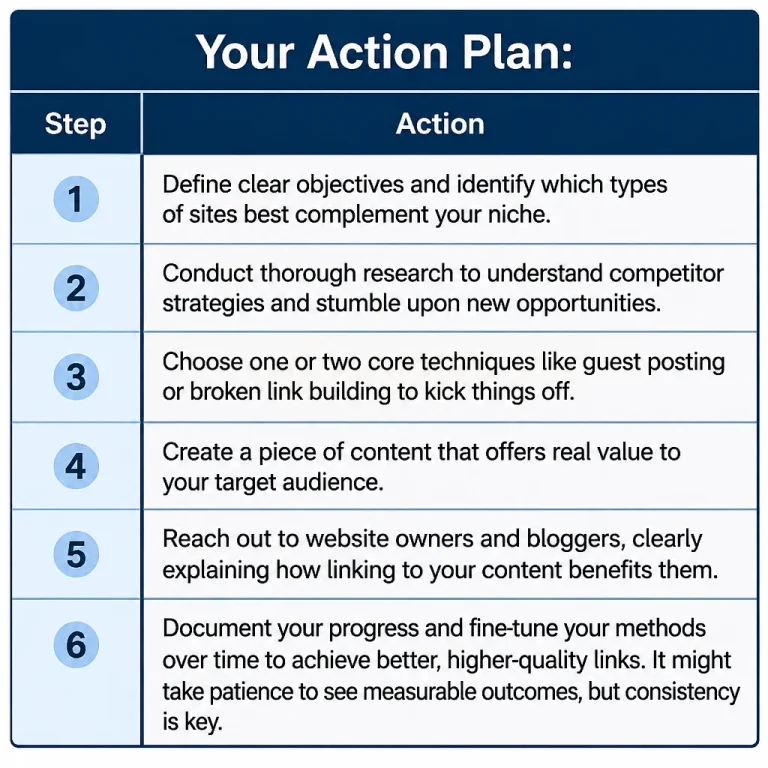
Document your progress and fine-tune your methods over time to achieve better, higher-quality links. It might take patience to see measurable outcomes, but consistency is key. Every new piece of content you publish takes your link building to the next stage and boosts your online reputation.
Which of these strategies will you try first? The choice is entirely yours. The ride of link building is one of ongoing learning and adjustment. Enjoy the process and continually measure your progress. Every small win contributes to the bigger picture of your online success.
Extra Tips and Considerations
Beyond the core strategies discussed above, there is always room to experiment and refine your approach. Staying updated with industry news, attending webinars, and participating in SEO forums can provide fresh perspectives that help your link building efforts. Consider taking some time each week to review recent trends or case studies from industry leaders. This extra attention ensures you are not left behind as search algorithms and user preferences evolve.
It is also beneficial to monitor the performance of your campaigns. Use analytics tools to track referral traffic from backlinks and adjust your strategies based on observed trends. Being proactive not only keeps you competitive but also enriches your overall understanding of digital marketing. This consistent practice of learning and adjusting will help you maintain a robust and evolving backlink profile.
Finally, value the quality of connections you make rather than simply increasing numbers. Establishing trust and long-lasting relationships within your industry is very important in today’s digital world. By nurturing these relationships and letting them grow organically, your link building campaign will not only succeed in improving search rankings but also pave the way for meaningful online collaborations.
Wrapping Up
Link building is both an art and a science. It is a dynamic process that involves ongoing effort, regular reassessment, and creative thinking. When combined with dedication and a clear strategy, these practices will serve as the bedrock of your online marketing success.Master Affiliate Marketing
Thank you for your visit! Give WA a TRY!