
Where Did “It’s Monday” Come From
The phrase “It’s Monday”, when used to convey a sense of dread, fatigue, or blues, has become a cultural shorthand for the universal slump people feel after the weekend. Here’s a review of its origins, evolution, and relevance today, along with an analysis of its modern connotations.
🕰️ Origins
Where Did “It’s Monday” Come From?
While there is no single point of origin, the sentiment dates back at least to the Industrial Revolution, when rigid work schedules began to define the modern concept of a “weekend” and a structured workweek.
- Post-Weekend Letdown: By the early 20th century, with Saturdays and Sundays becoming recognized leisure days, Monday began to symbolize the return to obligation and routine.
- Pop Culture Reinforcement: From Garfield comics famously hating Mondays, to The Bangles’ 1986 hit “Manic Monday”, the phrase began to cement itself in pop consciousness as a marker of malaise.
💬 Garfield (1978–present): “I hate Mondays” — a recurring gag that gave voice to every 9-to-5 worker’s feelings.
📆 Modern Meaning
What Does “It’s Monday” Mean Today?
Today, saying “It’s Monday” is rarely about the day itself. Instead, it’s a shorthand for a set of emotions and social commentary:
🔹 1. Mood Signaling
It expresses low energy, irritability, or reluctance — a socially accepted way to say “I’m not at my best.”
🔹 2. Solidarity in Suffering
It’s a communal expression — a shared nod among coworkers, friends, or students that says: “We’re all back in the grind.”
🔹 3. Meme Culture Amplification
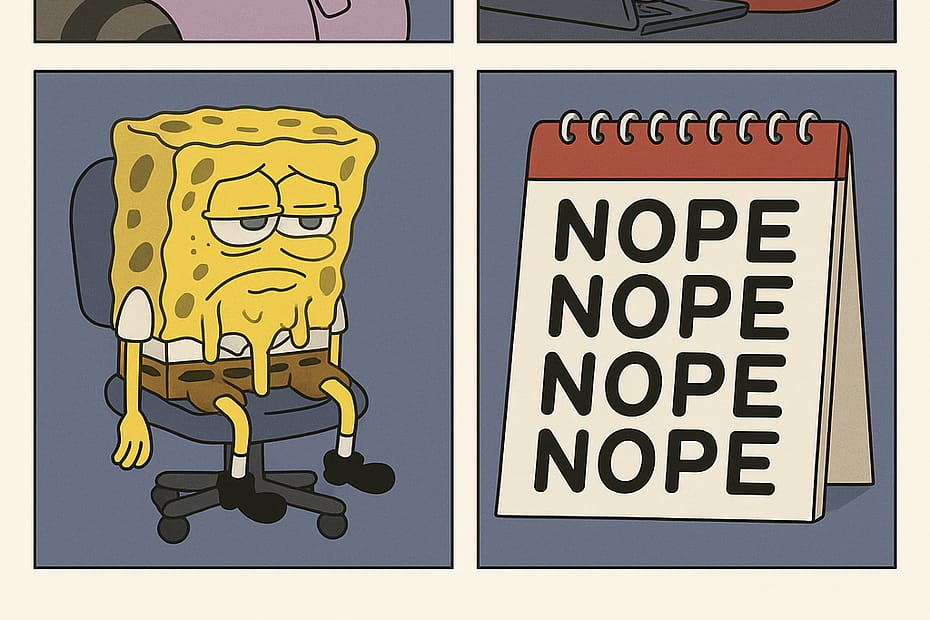
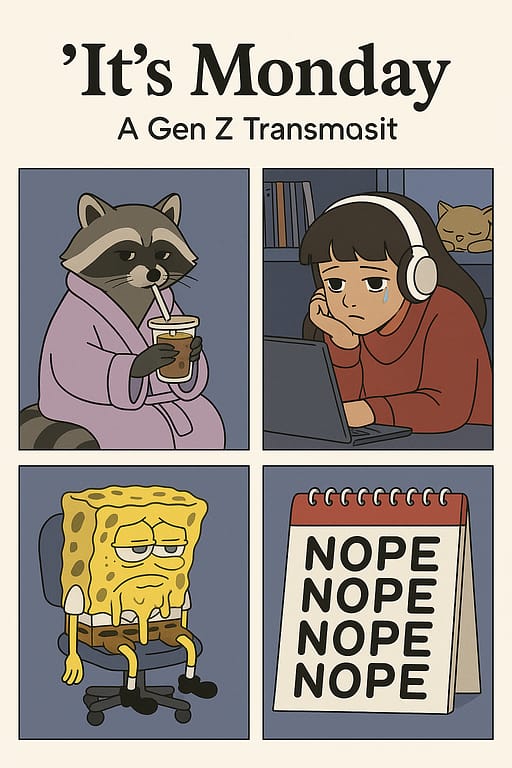
- Monday memes (like a sloth dragging itself to work) have given the phrase ironic and humorous energy.
- Social media often reuses “It’s Monday” with captions like “send help” or “coffee isn’t working” — making it a memeified ritual.
🔹 4. Work-Life Critique
In some corners, the phrase now carries subtle anti-capitalist undertones, hinting at dissatisfaction with the rigid weekly cycle.
🎯 Relevance Today (2020s+)
In a post-pandemic, hybrid-work world, “It’s Monday” has evolved further.
| Context | Meaning Shift |
|---|---|
| Remote work | Sometimes ironic — “Monday” doesn’t feel different. |
| Hustle culture pushback | A way to resist toxic productivity norms. |
| Gen Z & memes | Hyper-self-aware usage, often mocking the dread. |
⭐ Rating: “It’s Monday” as a Cultural Phrase
| Category | Score (out of 5) | Notes |
|---|---|---|
| Cultural Impact | ⭐⭐⭐⭐⭐ | Universally understood, rich meme potential |
| Emotional Resonance | ⭐⭐⭐⭐ | Still hits the collective nerve |
| Originality | ⭐⭐ | Cliché at this point, but that’s part of the charm |
| Longevity | ⭐⭐⭐⭐ | Likely to remain relevant as long as workweeks exist |
📝 Final Verdict
“It’s Monday” is more than just a day-of-the-week statement … it’s a modern cultural idiom, an emotional shortcut, and a meme-laden mantra for the working class. Though overused, it persists because it’s relatable, honest, and just a bit existential.
🔁 TL;DR Summary
- Origin: Industrial workweek + leisure contrast.
- Meaning Today: A coded way to express tiredness, dread, or societal commentary.
- Why It Lasts: Relatable, meme-friendly, and still emotionally true.
Thank you for reading and sharing!
Source OpenAI’s ChatGPT Language Model and DALLE – Images Picsart

Invest in your future & learn
Learn affiliate marketing & build your own website.
Heads up! Make sure you sign up using my referral link to get access to my personal coaching and all features.
👉 Sign Up


